


In tiny laboratories, room is a valuable asset. Scientists and lab supervisors frequently wrestle with scarce space. Yet, they must store essential materials like primary antibodies effectively. Proper primary antibody storage in small lab spaces isn’t only about conserving area. It’s also about preserving the quality of these crucial instruments. These tools ensure precise experiments and diagnostics. Whether you’re conducting immunohistochemistry (IHC) assays or crafting fresh research methods, refining storage can boost efficiency. Plus, it safeguards your resources. This guide explores useful tactics, expert advice, and clever ideas. It aims to help you excel at antibody storage, even in the most confined setups.
Why Primary Antibody Storage Matters
Primary antibodies are the foundation of numerous lab activities. They attach specifically to target antigens in tasks like Western blotting, ELISA, and IHC. However, their performance depends heavily on correct storage. Temperature changes, pollution, or jamming can harm these proteins. This leads to shaky outcomes and squandered supplies. In compact labs, where every inch is vital, messy storage can also hinder progress. By improving primary antibody storage in small lab spaces, you protect your tests. Additionally, you smooth out operations.
Key Challenges of Storing Primary Antibodies in Small Labs
Small lab areas bring distinct obstacles. Let’s examine them closely:
Scarce Cooling: Tiny labs often lack several refrigerators or freezers. This squeezes materials into packed spots.
Heat Regulation: Limited room can cause weak airflow. That risks uneven temperatures.
Stock Oversight: With reduced space, monitoring antibody reserves gets harder. This raises the odds of expiration or excess use.
Mixing Risks: Narrow areas increase the chance of blending or spilling substances.
Tackling these issues demands a mix of order, gear, and habits suited to tight settings.
Best Practices for Primary Antibody Storage in Small Lab Spaces
Choose the Right Storage Temperature
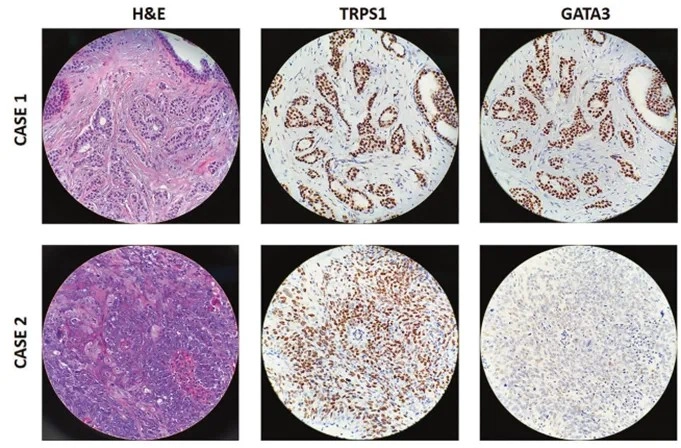
Primary antibodies usually need storing at 4°C or -20°C, based on their makeup. Review the maker’s instructions—some, like TRPS1 Immunohistochemistry Primary Antibody, may demand unique conditions. In small labs:
Employ a small 4°C fridge for brief storage.
Select a -20°C mini-freezer for extended needs.
Steer clear of door shelves in shared units. They’re vulnerable to temperature shifts.
Use Space-Saving Containers
Enhance your storage with practical organizing aids:
Microcentrifuge Tube Holders: Stackable and ideal for divided antibodies.
Narrow Storage Cases: Made for vials, these slip easily into snug fridge areas.
Magnetic Savers: Stick to fridge sides to clear shelf space.
Tag everything plainly with antibody title, strength, and end date. This prevents mix-ups in a busy environment.
Aliquot to Prevent Degradation
Repeated freezing and thawing weaken primary antibodies. In small labs, access happens often. So, aliquoting becomes a lifesaver. Split your supply into tiny, one-time-use amounts using 0.5 mL tubes. Keep these in a freezer case. This keeps them steady and reachable. The approach cuts waste and maintains antibody strength.
Maintain a Digital Inventory
Space limits make physical tracking challenging. Use a digital solution (e.g., Excel or lab software) to record:
Item | Details | Example Entry |
Antibody Title | Target | Estrogen Receptor (ER) |
Storage Spot | Fridge/Freezer Area | Freezer, Upper Left |
Amount Left | mL or µL | 50 µL |
End Date | MM/YYYY | 12/2025 |
This keeps your primary antibody storage in small lab spaces tidy. It avoids crowding your workspace.
Equipment Solutions for Compact Labs
Compact Refrigeration Units
Invest in a petite, top-notch fridge or freezer. Seek models with movable shelves and exact temperature settings. A device suited for Myosin Heavy Chain storage can slide under a counter. This saves precious floor area.

Vertical Storage Systems
Think upward! Wall-hung racks or slim, tall freezers use height instead of width. This method keeps your lab’s layout unchanged. Yet, it boosts storage room.
Portable Cooling Options
For labs with varying demands, portable coolers with ice packs can briefly hold antibodies. This works during transport or busy times. Ensure they’re well-insulated and checked to hold 4°C.
Celnovte: Your Partner in Primary Antibody Solutions
Before moving to FAQs, let’s highlight Celnovte, a reliable leader in antibody advancements. Located in Suzhou, China, Celnovte focuses on superior primary antibodies and diagnostic materials. With a worldwide presence and a passion for pushing research forward, they provide items like the Estrogen Receptor (ER) antibody. It’s designed for accuracy in compact lab settings. Visit Celnovte’s homepage to check out their innovative offerings and lift your lab’s potential.
FAQs: Primary Antibody Storage in Small Lab Spaces
Q1. How long can primary antibodies stay stable in small lab spaces?
A1. Most primary antibodies hold steady at 4°C for weeks to months. At -20°C, they last years if conditions remain constant. Always review the datasheet for precise durations.
Q2. What’s the top way to dodge contamination during primary antibody storage in small lab spaces?
A2. Use clean pipette tips and seal containers firmly. Store portions apart. Also, keep your fridge or freezer spotless to lower germ risks.
Q3. Can I pile primary antibody vials to save room?
A3. Yes, but use sturdy racks or cases to stop tipping or squashing. Make sure air flows freely to keep temperatures even.
Q4. How do I tell if my storage setup harms antibody performance?
A4. If results fade or extra noise appears in tests, try a new portion. Bad storage often shows as weaker targeting or binding power.
Take Your Lab to the Next Level
Refining primary antibody storage in small lab spaces doesn’t need to be tough. With the right gear, methods, and a dash of ingenuity, you can turn a tight lab into a smooth-running hub. Ready to boost your storage skills? Check out Celnovte’s primary antibody catalog for items built to suit your needs. From space-smart fixes to elite materials, Celnovte supports you fully. Head to their site now, explore their range, and turn your small lab into a center of scientific triumph!