


In the swiftly advancing realm of immunohistochemistry (IHC) and histology studies, the caliber of staining can determine your triumph or downfall. Whether you’re a scientist exploring protein indicators or a pathologist identifying ailments, your selection—Slide Stainers vs. Manual Staining—defines your lab’s productivity, precision, and growth potential. At Celnovte, we’re devoted to equipping labs with state-of-the-art resources. This blog delves thoroughly into the subtleties of slide stainers and manual staining. It provides an in-depth look at their strengths, limitations, and perfect scenarios. Our goal? To assist you in pinpointing the method that aligns seamlessly with your research lab’s demands.
The Importance of Staining in Research Labs
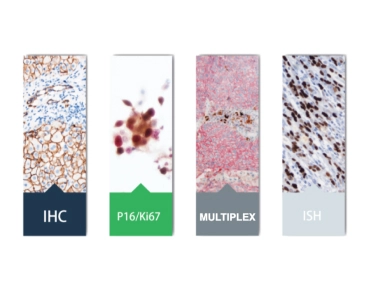
Staining turns unseen cellular features into striking, examinable visuals beneath a microscope. In IHC, primary antibodies latch onto target antigens. Then, dyes like hematoxylin or chromogens expose these bonds. The consequences are significant. Erratic staining can undermine data trustworthiness, postpone trials, or distort diagnoses. Your chosen staining technique affects more than just results. It also impacts duration, expense, and operational flow. So, how do slide stainers stack up against manual staining? Let’s dissect the details.
Slide Stainers vs. Manual Staining: A Comprehensive Analysis
Understanding Slide Stainers
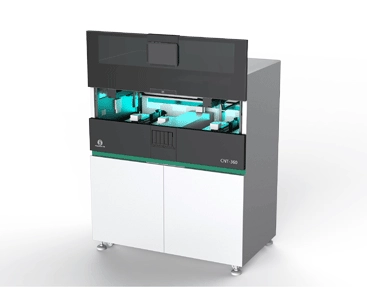
Slide stainers are mechanized setups that dispense reagents, regulate incubation periods, and cleanse slides with scant human input. Sophisticated versions, such as the CNT360 Full-Automatic IHC/ISH Stainer, boast adjustable configurations and robust processing power. Consequently, they’ve become essential in contemporary labs.
Understanding Manual Staining
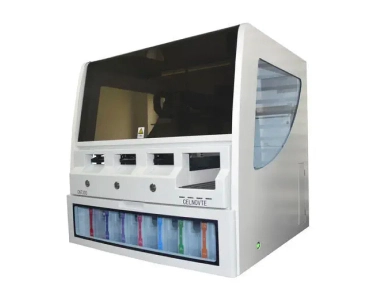
Manual staining depends on lab workers to manage each phase. They apply reagents, monitor reaction times, and rinse slides using simple gear like pipettes and trays. It’s a time-heavy, expertise-reliant method. Yet, it remains grounded in classic lab traditions.
Comparing Slide Stainers and Manual Staining
Here’s a thorough breakdown to spotlight their contrasts:
Feature | Slide Stainers | Manual Staining |
Automation | Fully or partly mechanized, effortless operation | Entirely hands-on, labor-dependent process |
Capacity | Ample (e.g., 30-60 slides per round) | Meager (hinges on worker availability) |
Reproducibility | Superb, with uniform procedures | Uneven, linked to handler proficiency |
Speed | Swift, concurrent multi-slide handling | Gradual, step-by-step slide treatment |
Initial Cost | Steep gear investment | Modest, needs only essential tools |
Adaptability | Constrained by fixed settings | Vast, readily tweaked during execution |
This chart reveals the compromises. Slide stainers thrive in bustling environments. Meanwhile, manual staining provides versatility for tinier setups. Let’s probe deeper.
Pros and Cons of Slide Stainers
Advantages of Slide Stainers
Time Efficiency: Devices like the CNT330 Full-Automatic Multiplex IHC Stainer tackle numerous slides simultaneously. This slashes hours from routines.
Evenness: Mechanized accuracy guarantees each slide receives matching care. That’s crucial for dependable studies.
Mistake Minimization: Fewer manual actions reduce chances of over-applying or skipping rinses.
Robust Output: Ideal for labs expanding to manage heaps of samples daily.
Disadvantages of Slide Stainers
Initial Outlay: Acquiring and upkeeping machinery demands a hefty budget.
Skill Development: Workers must master operating and fixing intricate devices.
Restricted Versatility: Pre-set routines might not fit rare or trial-based stains.
Pros and Cons of Manual Staining
Advantages of Manual Staining
Budget-Friendly: No costly equipment is necessary. Basic lab supplies suffice.
Total Oversight: Handlers can alter timing or reagents instantly. This suits tailored procedures perfectly.
Small-Scale Match: Optimal for labs with sparse daily staining requirements.
Disadvantages of Manual Staining
Time-Draining: Managing just a handful of slides by hand consumes precious time.
Variability Hazard: Outcomes fluctuate with worker know-how or exhaustion.
Growth Barriers: It falters when demand surges beyond modest levels.
Slide Stainers vs. Manual Staining: Choosing the Right Fit
Your lab’s focal points—finances, quantity, and exactness—steer the ideal pick. Here’s guidance to decide:
When Slide Stainers Excel
Active Labs: Staining over 30 slides daily? Automation, like the CNT300 Automatic IHC Slide Stainer, heightens productivity.
Result Dependability: Clinical or publication-worthy tasks need the steadiness slide stainers deliver.
Staff Utilization: It liberates personnel for analysis rather than repetitive chores.
When Manual Staining Shines
Limited Funds: Tiny labs or new ventures benefit from manual savings.
Sparse Samples: Daily totals below 10 slides don’t warrant automation.
Distinct Demands: Trial stains often thrive with manual adaptability.
Celnovte: Your Trusted Slide Stainer Supplier
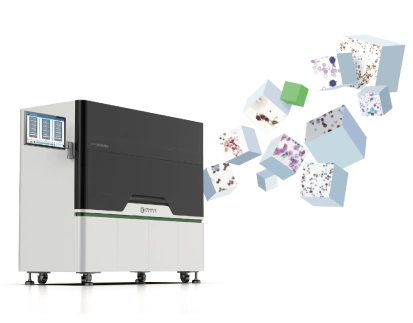
Thinking about slide stainers for your workspace? Celnovte Biotechnology Co., Ltd. leads in IHC advancements. Hailing from China, Celnovte excels at crafting top-tier primary antibodies and cutting-edge tools. Their slide stainers, including the CNT480 Fully Automatic Liquid-Based Cytology Immunocytochemistry Stainer, address varied study and diagnostic purposes. Boasting over 400 antibodies and six straight years of stellar NordiQC scores, Celnovte blends creativity with trustworthiness. Discover more at Celnovte’s homepage.
FAQs on Slide Stainers vs. Manual Staining
Q1. How do slide stainers boost lab output compared to manual staining?
A1. Slide stainers mechanize the task. They process numerous slides at once with exactness. This trims hands-on effort. Plus, it accelerates workflows far beyond manual staining’s reach.
Q2. Is manual staining still practical in current labs?
A2. Certainly. It fits labs with scant volumes. Or those craving flexibility for bespoke routines that slide stainers might not handle.
Q3. What’s the prime perk of slide stainers over manual staining?
A3. Steadiness takes the crown. Slide stainers erase human inconsistency. They yield even results, essential for solid data.
Q4. Are slide stainers apt for every staining variety?
A4. Most excel at typical IHC and H&E methods. However, some uncommon or highly specific stains may still need manual staining’s adjustability.
Upgrade Your Lab Today
Your staining approach molds your lab’s achievements. Slide Stainers vs. Manual Staining isn’t merely a tech decision. It’s about syncing with your aims. Crave speed and accuracy? Slide stainers lead the charge. Watching pennies or diving into rare trials? Manual staining may suffice. At Celnovte, we’re poised to fuel your path with premier options. Peruse our instrument category. Or connect today to snag the ideal staining setup. Boost your studies—your next leap forward beckons!